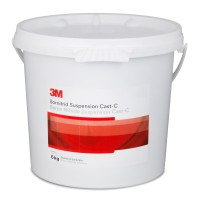
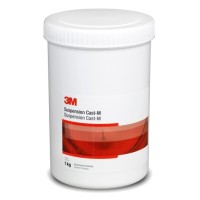
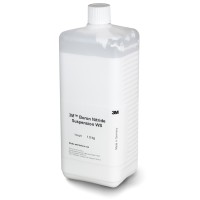
3M™ Boron Nitride Suspension WP previously EKamold®
For coating of impermeable metallic material.
Especially suitable for coating of impermeable metallic materials, mineral refractories and insulation materials
as well as graphite.
Operating temperature up to +1.000 °C
*3M™ Boron Nitride suspensions are subjects to US re-export law

Safety Data Sheet (SDS)
Frequently asked questions about 3M™ Boron Nitride Suspension WP
3M™ Boron Nitride Suspension WP is a ready-to-use coating based on hexagonal boron nitride in water. It serves as a release, lubricating and protective coating for metallic and refractory components in high-temperature processes.
Typical applications include:
Metallic components
Refractory components
Metallic components
- casting ladles
- skimmers
- measuring probes
- thermocouple protection tubes
Refractory components
- troughs
- nozzles
- stoppers
- hot-top rings
- slide gates
- floats
The coating provides:
- excellent release properties against light metal melts
- reduced wear caused by molten metal
- lower iron pickup in the melt
- high adhesion
- improved surface quality of cast products
- longer service life of refractory components
- extended maintenance and lubrication intervals
The suspension is particularly suitable for:
This allows the same coating to be used on both metal and refractory components.
Apply the suspension by:
Remove dust, grease, oil, paint and lacquer residues before coating. The surface should be clean and dry to ensure optimum adhesion.
- spraying
- brushing
- rolling
- dipping
Remove dust, grease, oil, paint and lacquer residues before coating. The surface should be clean and dry to ensure optimum adhesion.
A thin, fully covering coat provides the best results. Excessive coating thickness may increase the risk of cracking.
The coating offers good thermal conductivity while remaining electrically insulating. This makes it suitable for applications involving electrical measuring and sensor components.
The suspension must not be used on carbon surfaces or in reducing atmospheres. This limitation is related to the inorganic binder system used.
The product is not classified as a hazardous substance. Standard industrial hygiene and safety practices for handling chemical products should nevertheless be followed.